
Electric vehicles have altered the perspective their owners have regarding driving, maintenance and even shipping With EV ownership rising across the country, customers are increasingly hauling Teslas and other electric vehicles stakes, including Lucids, Hyundai IONIQ, Ford Mustangs Mach-E and Rivians over longer distances.
The process of shipping an electric vehicle is much like sending a gas-powered vehicle, except there are different considerations for battery charge before pickup. If customers understand how to get their EV charging levels ready for transport, they can avoid delays, loading issues, and delivery problems.
Battery preparation for transport, whether for a move, purchasing an EV from a different state, or seasonal transport, will ensure the vehicle is properly loaded and unloaded and moved throughout the transport process.
Importance of EV Battery Levels in Vehicle Shipping
An electric vehicle moves only through the battery charge. Enough battery power is needed by carers to.
- Put the vehicle on the trailer.
- If necessary, shift it while transporting.
- Safe unloading at the point of delivery.
- Yet, keeping the battery fully charged during transit is not advised as well.
Lithium-ion batteries, for example, are less stressed when stored or transported at mid charge levels rather than full charge levels.
This range generally provides sufficient power for operational handling while minimizing unnecessary battery drain on long-distance transports.
Companies usually give advice on preparing for EV transport as it requires slight changes than conventional vehicles.
Don’t charge the battery all the way up before pickup
Many owners of electric vehicles mistakenly think that fully charging the vehicle before transport is safe. In reality, overcharging before long-distance transport could cause battery stress.
Ideal storage and transportation charge level for lithium-ion batteries is around 30 to 70 percent.
Most manufacturers advise against leaving the battery at maximum charge for too long without driving.
When the charge level is moderate, carriers have enough overhead for operations that do not cause extra burden on the battery during transport.
Ensure Sufficient Charge in EV Before Loading it
Although excess charging is not necessary but the battery needs enough power for carrier handling
- Repeat repositioning of the vehicle.
- Alter loading position.
- Through deliveries reposition the ev.
- Remove item as needed.
If, for instance, an EV shows up almost out of battery, loading and unloading becomes a lot more complicated for the carrier.
- Delay in pickup.
- Extra service charges.
- Loading Issues.
- Issues with delivery coordination.
- website provides dependable transportation services.
It’s a good idea to verify battery charge the night before your pickup.
Turn Off Various EV Features Prior Transport
Modern EVs come outfitted with advanced electronics that might keep draining the battery even when parked.
Before the pick-up, customers should think of adjusting.
- Guard mode.
- In-cab controls.
- Intelligent summon benefits.
- Scheduled updates.
- Constant monitoring systems.
For instance, if a Tesla Sentry Mode is not deactivated, battery power will be slowly drained during long-distance transport.
Turning off unnecessary battery draining features keeps charge levels higher during shipment.
- Customers also check.
- Self-Activation Functions.
- Apps can be connected to EV with certain systems.
- Climate Control.
Tell the Carrier that the Vehicle Is Electric
While EV transport may be the norm nowadays, customers must always expressly mention to the transporter that it is an electric vehicle.
This will aid carriers in their preparations.
- Disparities in vehicle weight.
- Issues with low ground clearance.
- Charging factors.
- Procedures for special handling.
For instance, due to their battery weight, EVs are often heavier than comparable gasoline vehicles.
It also has some electric models.
- Distinctive towing limitations.
- Unique lifting areas.
- The action of regenerative braking
- Your accurate pickup information makes it safer and easier to schedule.
- if charging accessories are not needed, remove them.
Customers should also choose whether to leave charging leads in the car.
- Standard accessories of an EV.
- Mobile charging wires.
- Charging stations.
- Mobile charging accessories.
Some transport companies allow only limited accessories in the vehicle, while others do not allow attachments due to liability or weight issues.
For instance, pricey charging accessories more safely moved distantly on cross country moves.
Inquire from customers.
- Can you bring charging cables?
- Does insurance cover personal belongings?
- Do interior contents have a weight limit?
- Misunderstandings can be avoided if the communication is clear.
- Verify Software and Check Tire Pressure.
Battery preparation is crucial, but customers must also not neglect other basic EV maintenance before delivery.
Steps to help prepare.
- Tire pressure
- Make sure no warning lights appear.
- Carry out vital software updates beforehand.
- Ensuring the vehicle has normal start.
For instance, some software updates on EVs disable certain capabilities or require recalibration after installation.
Customers should refrain from commencing any major updates right before pickup day to avoid loading issues with any incomplete updates.
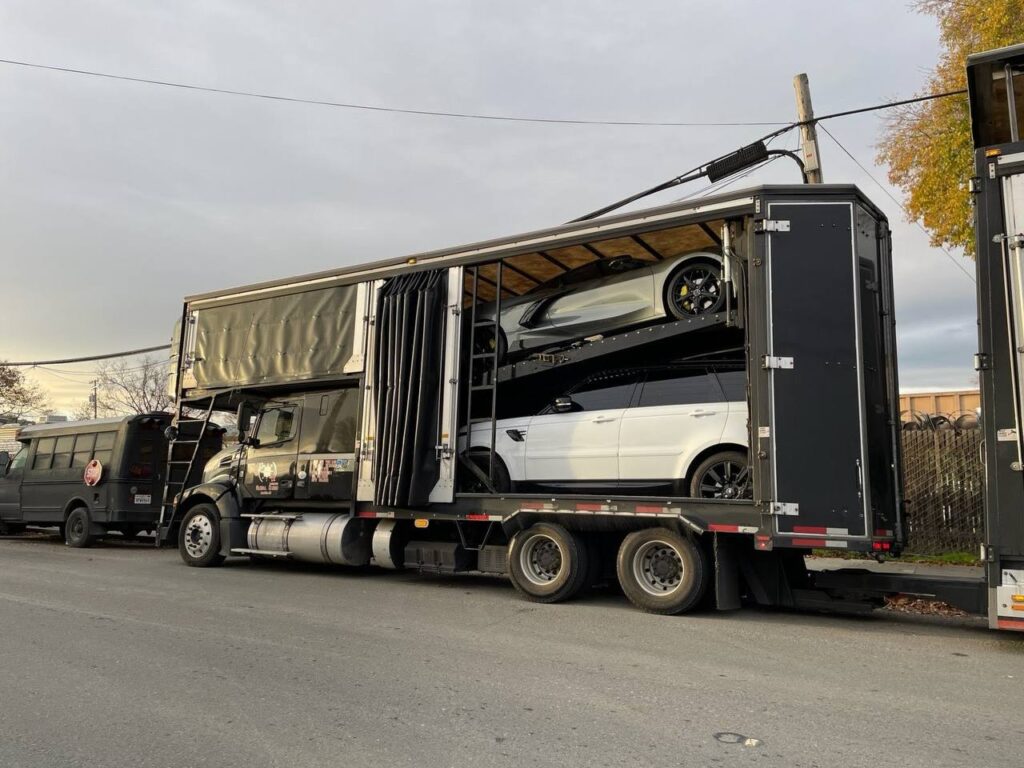
Make sure to document every detail of the vehicle before pickup
The importance of documentation holds true for any vehicle shipment including EV transport.
- Capture battery broadcast.
- Examine exterior condition.
- Record odometer readings.
- Take a picture of ports if necessary.
- Document any existing cosmetic problems.
For instance, timestamped photos of the dashboard battery level taken before pickup will help create accurate records of the vehicle’s transport.
Having strong documentation helps the customer and the carrier during the whole shipment process.
Keep In Mind That Weather Can Affect EV Battery Performance
Transportation over a long distance may subject electric vehicles to temperatures that vary between regions.
- Extreme temperatures can impact your memory for a time.
- Battery performance.
- Forecasting distance measurements.
- Charge Speed
When a car is shipped in winter conditions, the estimated range lower on delivery than expected due to the cold and not the battery.
It is important to remember that temporary fluctuations in the range of a product after being transported due to changes in the environment rather than damage related to transport.
Professionals drivers understand how to deal with these circumstances while moving your EV.
How Adequate EV Preparation Gives Safe Shipping
Electric vehicles are equipped with high-tech gadgets and a high-value battery system, making the preparations very essential before long-distance transportation.
Shoppers who.
- Keep battery levels moderate.
- Deactivate unwanted functions.
- Keep open communication with carriers.
- Carefully inspect documents.
- Get the vehicle ready.
Generally face easier transportation coordination and less problems overall.
Grasping how to set EV charging levels for transport will help customers ship EVs more safely and confidently. Having the battery charged moderately and disabling the battery-draining features are two things you need to do. You also need to let the carrier know about the EV and take careful note of its condition. Finally, preparing the vehicle properly is essential. All these things will allow for a smooth and efficient shipping experience.
